Film and Television Editor, Founder of Narrative Muse
Auckland, New Zealand

This conversation was originally published in 2018 as part of the original Careering Conversations series.
We've lightly edited it for readability while preserving the original conversation and advice, and added an update on what Brough has been doing since we first spoke.
When most people think about women in film and television, they picture the actors on screen. But behind the camera, the industry tells a very different story. When we spoke with Brough Johnson, only a small proportion of screenwriters and directors of photography in New Zealand were women, despite the wealth of female talent working across the industry.
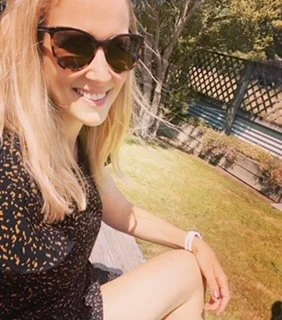
As an accomplished film and television editor, Brough has worked on productions including Westside, Go Girls and The Blue Rose. Alongside her editing career, she founded Narrative Muse, a platform celebrating the storytellers behind women-led literature and film, driven by a desire to see more women's stories told and more women recognised for creating them.
Interestingly, television wasn't a huge part of Brough's childhood. Growing up in the United States, she was only allowed to watch it on weekends, spending most of her time outdoors with friends instead. That makes her eventual career feel all the more unexpected.
Like many creatives, Brough admitted there were moments when she questioned whether she'd chosen the right path. Building a career in the screen industry isn't easy, particularly in an environment where women remain underrepresented. But she also believes passion is often the very reason people persist. Creative industries attract people who care deeply about stories, emotions and the human experience, and that's exactly what continues to inspire her work.
Our conversation covered far more than filmmaking.
Brough believes financial confidence is one of the biggest gaps in our education system. We spend our entire adult lives making financial decisions, yet many people never learn the basics of budgeting, investing or managing money. Simply having more open conversations about finances with friends and family, she believes, can make a significant difference to people's confidence and decision-making.
She's equally passionate about creating a more equitable industry. Representation matters because stories shape how we see ourselves and others. Ensuring more women are involved in writing, producing, directing and editing isn't just about fairness—it's about broadening the stories we tell and the perspectives we value.
Since we first spoke
Brough is now Co-CEO (also listed as Chief Strategy Officer) of Narrative Muse alongside co-founder Nigel Lopez-McBean, and has since won an Emmy for her editing work. Narrative Muse has grown into a recommendation platform working with publishers and producers globally, with initiatives including book club partnerships, while continuing its original mission of surfacing books, film and TV by underrepresented creators.
What Brough taught us
The stories we tell shape the world we live in. Creating more opportunities for diverse voices doesn't just improve industries—it improves the stories future generations grow up seeing.